

Table of Contents
- Why White Tea Is the Easiest Loose Leaf Tea to Start With
- The Best Loose Leaf White Tea for Beginners: 5 Teas to Try
- How to Brew White Tea: A Simple Method Anyone Can Follow
- White Tea Brewing Temperature: Why Hotter Water Isn't Better
- White Tea Steeping Time: How Long Each Cup Should Sit
- Silver Needle White Tea: What Makes It the Classic Beginner Pick
- How to Spot Fresh, Quality White Tea Before You Buy
- Choosing Your First White Tea: A Quick Decision Guide
- Frequently Asked Questions
Last Updated: October 17, 2026
Why White Tea Is the Easiest Loose Leaf Tea to Start With
White tea is the least processed of all true teas: leaves and buds are withered and dried, with no rolling or heavy oxidation.
Green tea punishes a heavy hand with bitterness, and black tea can taste flat if you under-leaf it.
One catch: because white tea is so mild, freshness and water temperature matter most. Get those right and the rest is easy.
The Best Loose Leaf White Tea for Beginners: 5 Teas to Try
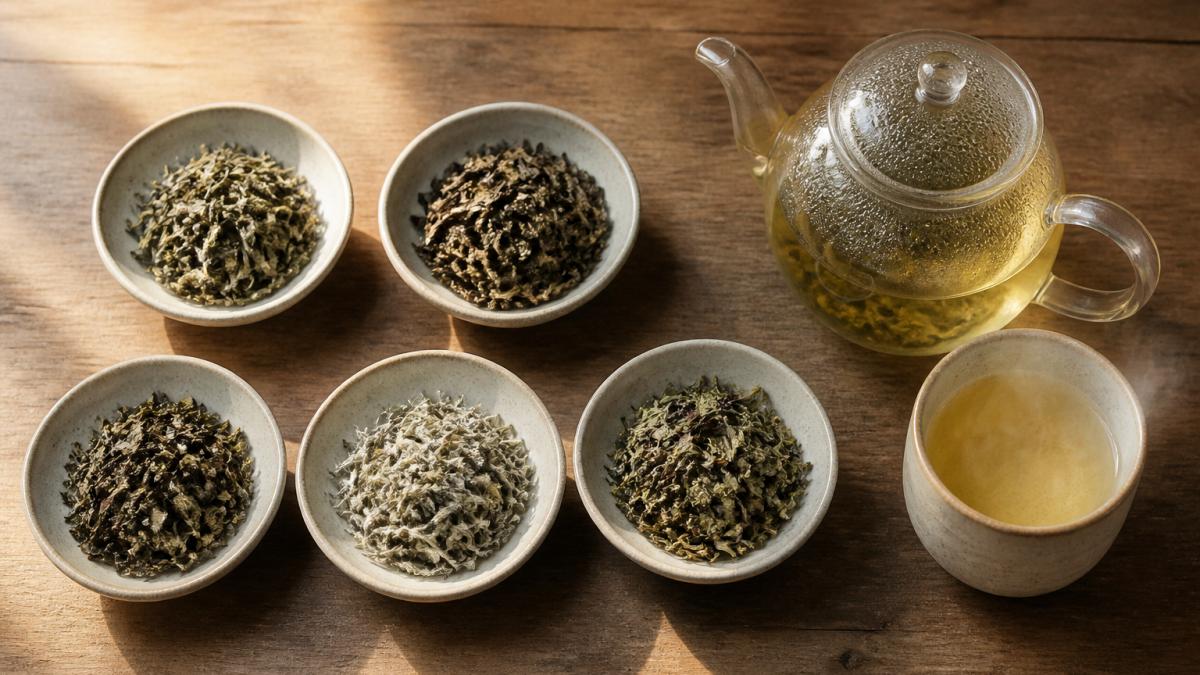
These five white teas cover the full range, from the lightest Silver Needle to a deeper aged cup. Each is beginner-friendly for a different reason: mild flavor, forgiving brewing, or lower entry cost.
| White Tea | Flavor Profile | Caffeine | Difficulty | Typical Price (per oz) | Best For |
|---|---|---|---|---|---|
| Silver Needle | Delicate, honeyed, floral | Low | Easy | $8-$15 | Absolute beginners |
| White Peony | Floral, fruity, slightly sweet | Low to moderate | Very easy | $5-$10 | Forgiving daily drinking |
| Gongmei | Earthy, mellow, mild | Low | Easy | $3-$6 | Budget everyday cups |
| Shou Mei | Richer, darker, fruity | Moderate | Easy | $3-$7 | Green-tea drinkers |
| Aged White | Sweet, deep, honeyed | Moderate | Easy | $7-$14 | Sweeter, bolder taste |
Prices vary by harvest, origin, and seller. One ounce makes roughly 12 to 15 cups at 2 grams per cup.
1. Silver Needle (Yin Zhen): The Mildest Starting Point
Silver Needle, or Yin Zhen, is made almost entirely from downy tea buds picked in early spring.
How to brew it: Use 2 grams per 8 ounces of water at 175°F for 2 minutes. Re-steep two more times at 2.5 and 3 minutes.
Caffeine: Low. Bud-only teas tend to carry less caffeine than leaf-heavy ones, though exact amounts vary by steep time and leaf quantity.
2. White Peony (Bai Mudan / Pai Mu Tan): Floral and Forgiving
This is the tea we recommend most often to first-timers: it forgives small brewing errors, costs less than Silver Needle, and re-steeps well.
How to brew it: Use 2 grams per 8 ounces at 180°F for 2 to 3 minutes. Re-steep three times, adding 30 seconds each round.
Caffeine: Low to moderate. The mix of buds and leaves puts it a step above Silver Needle.
3. Gongmei: The Budget-Friendly Everyday White Tea
Gongmei sits a step below White Peony in leaf grade, using larger, later-picked leaves.
Gongmei wins on value: a reliable, easy-drinking white tea at a lower cost, ideal if you drink several cups a day.
How to brew it: Use 2.5 grams per 8 ounces at 185°F for 3 minutes.
Caffeine: Low. Expect a gentle lift rather than a jolt.
4. Shou Mei: Richer Flavor From Older Leaves
Shou Mei is made from the largest, oldest leaves of the harvest.
Beginners who already drink green tea or oolong often prefer Shou Mei for its presence: it stays mild but steps toward bolder flavors without jumping straight to black tea.
How to brew it: Use 2.5 grams per 8 ounces at 185°F to 190°F for 3 to 4 minutes.
Caffeine: Moderate. Leaf-heavy teas generally extract more caffeine than bud-only ones.
5. Aged White Tea: A Sweeter, Deeper Cup
Aged white tea is white tea stored and allowed to mature, often for several years.
For a beginner, aged white is the easiest way to taste how much a single tea can change.
How to brew it: Use 2.5 grams per 8 ounces at 190°F for 3 minutes. Aged leaves are sturdier and can take slightly hotter water.
Caffeine: Moderate. Aging doesn't remove caffeine, so treat it like Shou Mei.
How to Brew White Tea: A Simple Method Anyone Can Follow
Brewing white tea is straightforward: loose leaves, water that is hot but not boiling, and a short steep. Here is the method for a first cup.
- Measure about 2 grams of loose leaf tea per 8 ounces of water, roughly one heaping teaspoon.
- Heat water to around 175°F to 185°F. Let a full boil rest for a minute or two.
- Add the leaves to an infuser, strainer, or small teapot.
- Pour the water over the leaves and steep 2 to 3 minutes.
- Taste, then adjust. Add 30 seconds next time if it is too light.
- Re-steep the same leaves two or three more times, adding a little time each round.
You do not need fancy equipment: a simple infuser and a kitchen thermometer will do.
White Tea Brewing Temperature: Why Hotter Water Isn't Better
The right white tea brewing temperature is roughly 175°F to 185°F, well below a rolling boil.
This is the mistake we see most often. People treat white tea like black tea, hit it with boiling water, and conclude white tea is bitter. It isn't. The water was.
If you don't own a thermometer, boil your kettle, then let it sit for two to three minutes before pouring.
White Tea Steeping Time: How Long Each Cup Should Sit
White tea steeping time runs about 2 to 3 minutes for the first cup, then 3 to 4 minutes for each re-steep.
The best guide is your own tongue: steep two minutes, taste, and decide.
One more note: white tea leaves are bulky, so they take up more room in an infuser than you might expect. Give them space to unfurl, and the flavor will come through more evenly.
Silver Needle White Tea: What Makes It the Classic Beginner Pick
Silver Needle white tea is the benchmark against which other white teas are judged: unopened buds covered in fine silver hairs, harvested in a narrow early-spring window, and dried with minimal handling.
That care shows in the cup: pale gold liquor, soft honeyed sweetness, and a lingering floral aroma.
The honest drawback is cost: Silver Needle is expensive relative to other white teas, and some beginners find it almost too subtle at first.
How to Spot Fresh, Quality White Tea Before You Buy
Freshness is the single biggest quality factor in white tea, and the one thing you can judge before you spend a cent. White tea is minimally processed, so it has nowhere to hide: a stale leaf tastes flat and papery, a fresh one sweet and floral.
Read the harvest date, not just the expiration date
White tea is best within about 12 to 18 months of harvest for fresh, floral character. After that it doesn't spoil, but it fades toward the honeyed, dried-fruit profile of aged white tea. A seller who prints a harvest date (spring 2026, for example) knows their supply chain; a vague "best by" date tells you almost nothing. For the bright, delicate cup most beginners want, buy the most recent harvest you can find.
Judge the dry leaf by touch and smell
- Appearance: Buds and leaves should look intact and evenly colored, not crushed or dusty. Silver Needle buds should be plump and covered in fine silver hairs; White Peony should show a clear mix of buds and leaves.
- Aroma: A fresh white tea smells sweet, floral, or hay-like. A stale one smells flat, papery, or musty. If you can smell the tea before buying, trust your nose over any label.
- Texture: Dry leaves should feel crisp, not soft or damp. Softness can signal poor storage or excess moisture.
Check the packaging and storage chain
White tea degrades fastest when exposed to light, heat, air, and strong smells. Buy from sellers who package in airtight, opaque bags or tins; clear jars on a sunny shelf are the enemy. At home, store leaves the same way.
Know what origin and grade labels actually mean
Single-origin tea from a named region (Fujian is the classic source) tells you more than a vague "white tea" label. Grade names describe leaf selection, not quality tiers, so a well-made Gongmei can beat a poorly stored Silver Needle. Don't assume the priciest grade is the best cup for you.
Start small and build a starter kit for under $40
You do not need a cabinet of gear to begin.
- A simple infuser or strainer: A basket infuser that fits your mug is enough.
- A kitchen thermometer: Use the boil-and-rest method described above.
- Two 1-ounce samples: Buy White Peony and Silver Needle first, or a sampler pack if the seller offers one.
Samples let you test freshness and flavor before committing to a full bag. Small bags also get used up before they fade.
Choosing Your First White Tea: A Quick Decision Guide
Still unsure where to start? Use this guide based on what you already like to drink.
- You want the gentlest possible cup: Silver Needle.
- You want the safest all-around pick: White Peony.
- You drink tea daily and want value: Gongmei.
- You already like green tea or oolong: Shou Mei.
- You prefer sweeter, deeper flavors: Aged white tea.
- You want to learn fast: Buy a sampler with two or three of these and taste them side by side.
Whichever you choose, buy loose leaf rather than bags. Loose leaves unfurl fully, giving you more flavor per gram and letting you re-steep, so a small bag goes further than it looks.
At Righteous Roast, we carry artisanal loose leaf tea alongside our small-batch coffee, and we keep sample sizes on hand precisely so you can explore without committing to a full bag.
Frequently Asked Questions
What is the best type of white tea for beginners?
Silver Needle (Yin Zhen) is the easiest starting point because its flavor is mild, sweet, and floral, with very little bitterness. White Peony (Bai Mudan) is a close second if you want a bit more flavor and a lower price per ounce. Both are forgiving when brewed, so a small mistake in water temperature or steeping time won't ruin the cup. Try a sample size of each before committing to a full bag.
What temperature should water be for white tea?
Use water between 175°F and 185°F for most white teas. Silver Needle and other bud-heavy teas do best near 175°F, while White Peony and Shou Mei can handle 185°F. Water at a full boil will scorch the leaves and turn the cup bitter. If you don't have a temperature-controlled kettle, boil water and let it sit for about two to three minutes before pouring.
Can you steep white tea more than once?
Yes. Loose leaf white tea re-steeps well, often for three to four infusions. Add about 30 seconds to each subsequent steep, and keep the water temperature the same. Whole-bud teas like Silver Needle hold up longest, while broken-leaf blends fade faster. Re-steeping is one reason loose leaf costs more per ounce but delivers more cups per gram than tea bags.
What is the difference between Silver Needle and White Peony tea?
Silver Needle is made only from unopened buds, giving it a pale, delicate, honey-sweet flavor. White Peony blends buds with young leaves, so it brews darker and tastes more floral and fruity with a slightly fuller body. Silver Needle is milder and pricier; White Peony is more forgiving and usually costs less. Beginners often prefer White Peony for everyday drinking and Silver Needle for a treat.
The hardest part of starting with white tea isn't brewing it. It's choosing a first bag you'll actually finish. Righteous Roast makes that easier with curated sample sizes, ethically sourced loose leaf tea, and free US shipping on every order, so you can taste a few white teas side by side before settling on a favorite. Explore the current tea selection and find the cup that fits your morning.