

Table of Contents
- What Makes Organic Coffee Different
- Mold-Free Coffee Brands and Quality Testing
- Benefits of Organic Coffee for Your Health and Environment
- Best Organic Coffee Bean Brands: Full Comparison
- How to Store Organic Coffee Beans for Maximum Freshness
- Price Per Ounce Breakdown and Value
- How to Choose the Best Organic Coffee for Your Taste
- Frequently Asked Questions
Last Updated: September 18, 2026
What Makes Organic Coffee Different
Organic coffee starts with the soil. Without synthetic fertilizers or chemical pesticides, organic farms build soil health naturally, using compost, shade-grown methods, and crop rotation. The result is cleaner beans with fewer chemical residues and a flavor profile that reflects the terroir, the specific growing region's characteristics.
The difference matters beyond taste. Organic certification requires USDA verification, meaning your coffee has been audited for pesticide-free farming practices and sustainable methods. This transparency is what separates genuinely organic coffee from brands making vague "natural" claims.
When you choose organic coffee bean brands, you're not just avoiding synthetic chemicals. You're supporting farming practices that protect water quality, preserve biodiversity, and create better conditions for the plants themselves. The beans grown this way often develop more complex, nuanced flavors because the plants work harder in nutrient-rich soil rather than relying on chemical shortcuts.
Mold-Free Coffee Brands and Quality Testing
Mold contamination is real in coffee, and it matters. Certain molds produce mycotoxins, compounds that can affect your health.
Righteous Roast sources from cooperative farms that prioritize clean processing methods. Fully washed and eco-pulped processing methods reduce mold risk significantly by removing fruit quickly and drying beans under controlled conditions. Combined with rigorous sourcing practices, this approach delivers coffee you can trust.
The connection between organic farming and mold prevention is direct: healthier soil and plants resist mold better. Shade-grown coffee, common in organic farming, also reduces moisture stress that can invite fungal growth. When you buy from brands committed to organic practices, you're getting coffee that's genuinely clean.
Benefits of Organic Coffee for Your Health and Environment
Organic coffee helps reduce your exposure to synthetic pesticide residues.
Organic farming protects the environment by preserving water quality and soil structure, preventing the groundwater contamination caused by conventional synthetic fertilizers.
Fair trade practices ensure farmers receive fair compensation, allowing farms to invest in better processing methods that improve bean quality.
Best Organic Coffee Bean Brands: Full Comparison
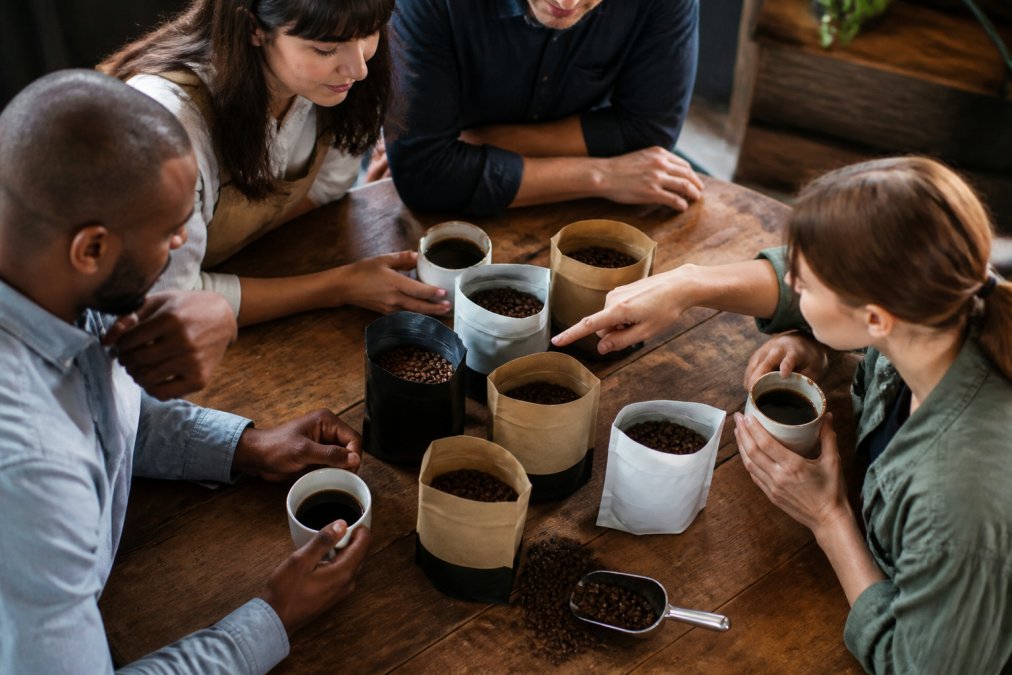
The best organic coffee bean brands prioritize ethical sourcing, organic practices, and fresh roasting. The differences come down to flavor profiles, roast styles, and sustainability approach.
Balanced Medium Roasts for Daily Drinking
Righteous Roast, Brazil Santos Single Origin (Medium Roast)

Brazil Santos delivers an elegant, smooth cup with cocoa notes, preserving natural sweetness without bitterness.
Growers at Fazenda Santa Barbara use pulped natural processing at 750-1050 meters altitude on volcanic loam soil, creating a clean, balanced cup.
The cocoa notes are subtle but present, the body is silky, and there's no harshness on the finish, premium quality without complexity.
USDA organic certification standards ensure that every bag meets consistent requirements for pesticide-free farming practices.
Righteous Roast, Colombia Single Origin (Medellín), Medium Roast
Colombia from Medellín brings brightness with dried orange and berry notes balanced against smooth chocolate.
Smallholder farmers grow at 1300-1500 meters on volcanic loam. Solar-dried, fully washed processing creates exceptional clarity with citrus lift, chocolate depth, and natural sweetness.
Solar drying produces beans with cleaner flavor and lower defect rates.
Righteous Roast, Costa Rica Single Origin (Alajuela), Medium Roast
Costa Rica from Alajuela delivers sweet apple, raisin, and honey notes. Eco-pulped processing reduces water use while producing a clean cup.
Micro farms at 1300-1445 meters on volcanic soil produce a smooth, naturally sweet coffee.
Righteous Roast, Guatemala Single Origin (Antigua), Medium Roast
Antigua produces coffee with dark chocolate depth, bright fruit notes, and butterscotch sweetness. Altitude (1200-1616 meters) and volcanic soil create natural sweetness and clarity.
Fully washed, sun-dried processing at high altitude concentrates flavors, creating richness without heaviness and brightness without sharpness.
Righteous Roast, Mexico Single Origin (Chiapas & Oaxaca), Medium Roast
Brazil Santos Coffee Single Origin →
Mexico delivers chocolate depth with crisp green apple lift and subtle cinnamon. At 900-1000 meters, beans concentrate chocolate and spice while maintaining brightness.
Righteous Roast, Nicaragua Single Origin (Molino Norte), Medium Roast
Nicaragua from Molino Norte offers cocoa base with floral and citrus tones. 12-14 hour fermentation develops clarity and balance.
Smallholder farmers at 900-1590 meters on clay mineral soil produce coffee with memorable acidity and complexity.
Righteous Roast, Peru Single Origin (Medium Roast)
Peru offers salted caramel sweetness with silky mouthfeel and clean citrus lift. Gully washed processing at 1100-1700 meters creates the clean cup.
Bright, Fruit-Forward Light and Medium-Light Roasts
Righteous Roast, Tanzania Single Origin (Mbeya), Medium-Light Roast
Tanzania from Mbeya is bright and aromatic with pear, jasmine, and strawberry notes. Medium-light roasting preserves delicate floral notes.
Small cooperative farmers grow at 1200-1900 meters on clay mineral soil. Fully washed processing and raised-bed drying create the clean cup.
Righteous Roast, Kenya Single Origin (Nyeri - Othaya)
Kenya delivers bright acidity with orange and lemon notes and floral lift. Sourced from 1,700-1,890 meters, fully washed and raised-bed dried processing creates exceptional clarity.
Deep and Earthy Dark-Roasted Options
Righteous Roast, Sumatra Single Origin (Aceh - Takengon)
Sumatra's wet-hulled processing (Giling Basah) creates syrupy body, dark chocolate depth, and earthy character with smooth medium acidity.
The Koperasi Baitul Qiradh Baburrayyan cooperative sources from 1100-1600 meters in Aceh using traditional wet-hulling.
| Coffee | Origin | Roast | Key Notes | Best For |
|---|---|---|---|---|
| Brazil Santos | Brazil | Medium | Cocoa, smooth, balanced | Daily drinking, new to specialty |
| Colombia Medellín | Colombia | Medium | Orange, berry, chocolate | Balanced complexity, pour-over |
| Costa Rica Alajuela | Costa Rica | Medium | Apple, raisin, honey | Comfort, gift-giving |
| Guatemala Antigua | Guatemala | Medium | Dark chocolate, fruit, butterscotch | Rich yet bright, espresso |
| Mexico Chiapas/Oaxaca | Mexico | Medium | Chocolate, cinnamon, apple | Cozy, approachable complexity |
| Nicaragua Molino Norte | Nicaragua | Medium | Cocoa, floral, citrus | Balanced interest, French press |
| Peru | Peru | Medium | Salted caramel, citrus | Value quality, smooth |
| Tanzania Mbeya | Tanzania | Medium-Light | Pear, jasmine, strawberry | Brightness, floral lovers |
| Kenya Othaya | Kenya | Light | Orange, lemon, floral | Citrus complexity, pour-over |
| Sumatra Aceh | Sumatra | Dark | Dark chocolate, earthy | Body, French press, espresso |
How to Store Organic Coffee Beans for Maximum Freshness
Whole beans stay fresh for a few weeks after roasting; ground coffee degrades faster and should be used within 1-2 weeks.
Store beans in an airtight container in a dark cupboard, away from light and air.
Buy whole beans and grind just before brewing to preserve volatile aromatics.
Righteous Roast ships fresh beans directly to your door.
Price Per Ounce Breakdown and Value
Righteous Roast's single-origin coffees range from $21.99 to $189.99 per bag. Peru at $89.99 and Sumatra and Kenya at $21.99 represent strong value.
How to Choose the Best Organic Coffee for Your Taste
Light roasts emphasize origin characteristics. Medium roasts balance origin flavor with roast character. Dark roasts emphasize body and richness.
Frequently Asked Questions
What does mold-free mean in coffee, and why does it matter?
Mold-free coffee has been tested to ensure it contains no mycotoxins, which are naturally occurring compounds produced by mold in poorly stored or processed beans. Third-party testing confirms the absence of these contaminants. This matters because mycotoxins can accumulate in the body over time, and choosing mold-free certified coffee eliminates this health concern entirely.
What are the main benefits of organic coffee compared to conventional coffee?
Organic coffee is grown without synthetic pesticides, herbicides, or artificial fertilizers, which means fewer chemical residues in your cup. Beyond health, organic farming practices protect soil health, reduce water contamination, and support biodiversity. Organic coffee farmers often use shade-grown methods that preserve forest ecosystems. Additionally, organic certification typically requires traceability and fair labor standards, so you know exactly where your coffee comes from and that growers were paid fairly.
How should I store organic coffee beans to keep them fresh longer?
Store whole bean coffee in an airtight container away from direct sunlight, heat, and moisture. A cool, dark cupboard or pantry is ideal; avoid the refrigerator or freezer, which can introduce condensation. Whole beans stay fresh for a few weeks after opening if stored properly. Buy whole beans and grind just before brewing for maximum flavor and freshness. If you purchase ground coffee, use it within 1-2 weeks. Proper storage prevents staleness and preserves the complex flavor notes that make quality organic coffee worth the investment.
How can I tell if coffee beans are truly organic?
Look for USDA organic certification on the packaging, which verifies the beans were grown without synthetic chemicals and meet strict federal standards. Reputable brands also provide traceability information, including the grower's name, farm location, and altitude. Third-party certifications like Fair Trade or Rainforest Alliance add another layer of verification. Read the product description for processing details and origin specifics. Transparent brands like Righteous Roast list grower cooperatives and regional details, making it easy to verify authenticity.
Are single-origin organic coffees worth the extra cost?
Yes, single-origin coffees offer distinct flavor profiles tied to their specific region, altitude, and soil composition. You taste the terroir, just like wine. Single-origin beans allow you to explore different tasting notes without blending, and they often come from smaller farms where growers take pride in quality. While they cost more per ounce than blends, a single bag provides multiple cups of a unique experience. For flavor explorers and those who appreciate complexity, single-origin organic coffee delivers measurable value and satisfaction that justifies the premium.